 Patient app activation
From a clinical intake form to a coach that speaks your language
A diabetes app lost people the moment onboarding got personal. I rebuilt it to ask less, earlier, in their language.
- RolePrincipal Product Designer & Design Engineer, contract
- TimelineJan 2025 to Aug 2026
- PlatformsAndroidiOSClinician web
Scope
- Activation design, end to end
- The research
- Mixpanel analytics
- The roadmap, moving language support up from the backlog
- PProduct
- DData science
- EEngineering
- TThe clinical team
Why it mattered
Activation was the growth constraint: every patient who dropped before the first meal plan was acquisition spend lost.
The problem
People didn't quit because onboarding was long. They quit when it asked for medicines and weight history.
Context
The company, the people, the goal
Tap Health is an AI diabetes care app made for India: a coach plans meals, reminds people on WhatsApp or by phone, and shares progress with their doctor. A large diagnostics partner was about to pilot it, and day-30 retention had to improve before anything custom was built for them.
Who it was for
- People newly diagnosed with diabetes
What to eat today and whether it is working, without filling a medical form before they have seen the product.
- Family members installing it for a parent
A way to help a parent manage on their own, in the parent's language, without logging every meal for them.
- Doctors
The full picture in one consult: adherence, glucose and the protocol, drawn from the same care plan the patient follows.
What success meant
- Business goal
Lift activation, a finished onboarding plus a first day of logged data, and day-30 retention ahead of a partner pilot.
- User goal
A useful plan for today in their own language, sharing sensitive history only once it changes something.
- Clinical goal
Still collect medicines and weight history, because safe care depends on them.
Research
What we did to learn, and what we learned
- Analytics from zero
There was no reliable analytics, so I set up Mixpanel with an event map, funnels and retention cohorts before reading any drop.
- Five cohorts
Users split into activated, not activated, signed up only, power users and dropped, so each group was asked about its own moment.
- Three rounds of testing
Moderated sessions to watch the moment people stopped, and unmoderated tests to see whether the pattern held across more people.
- Interviews with people who left
Research conversations with dropped and signed-up-only users, where the language blocker and the caregiver pattern surfaced.
- Weekly research loops
Research with each cohort ran every week during the project and stayed on as standing practice.
I downloaded it for my mother, but she only reads Tamil. I was logging for her, and then I got busy and forgot about it.
- 01
People stopped at medicines and weight, out of hesitation
How we knowThe funnel put the sharpest drop at the medicine and weight history screens. In moderated sessions people slowed and stopped there, even though the screens were clear.
What it changedEvery question was re-sorted by when its answer earns a place. Medical history moved to week one, asked by the coach in chat.
- 02
Language, not length, kept many people from starting
How we knowIn interviews, 7 signed-up-only users and 3 dropped users named language as their main blocker. Tamil, Kannada and Bengali all came up.
What it changedLanguage became the first question after sign-up, and support for it moved up from the backlog.
- 03
Many users were caregivers, or not diabetic themselves
How we knowResearch themes showed people installing the app for a parent, logging on their behalf, then drifting away when life got busy.
What it changedA coach that texts and calls the parent directly, so the family helps without doing the logging.
- 04
Week one needed a reason to return
How we knowRetention cohorts showed people finishing onboarding, coming back once or twice, and falling away by day 7.
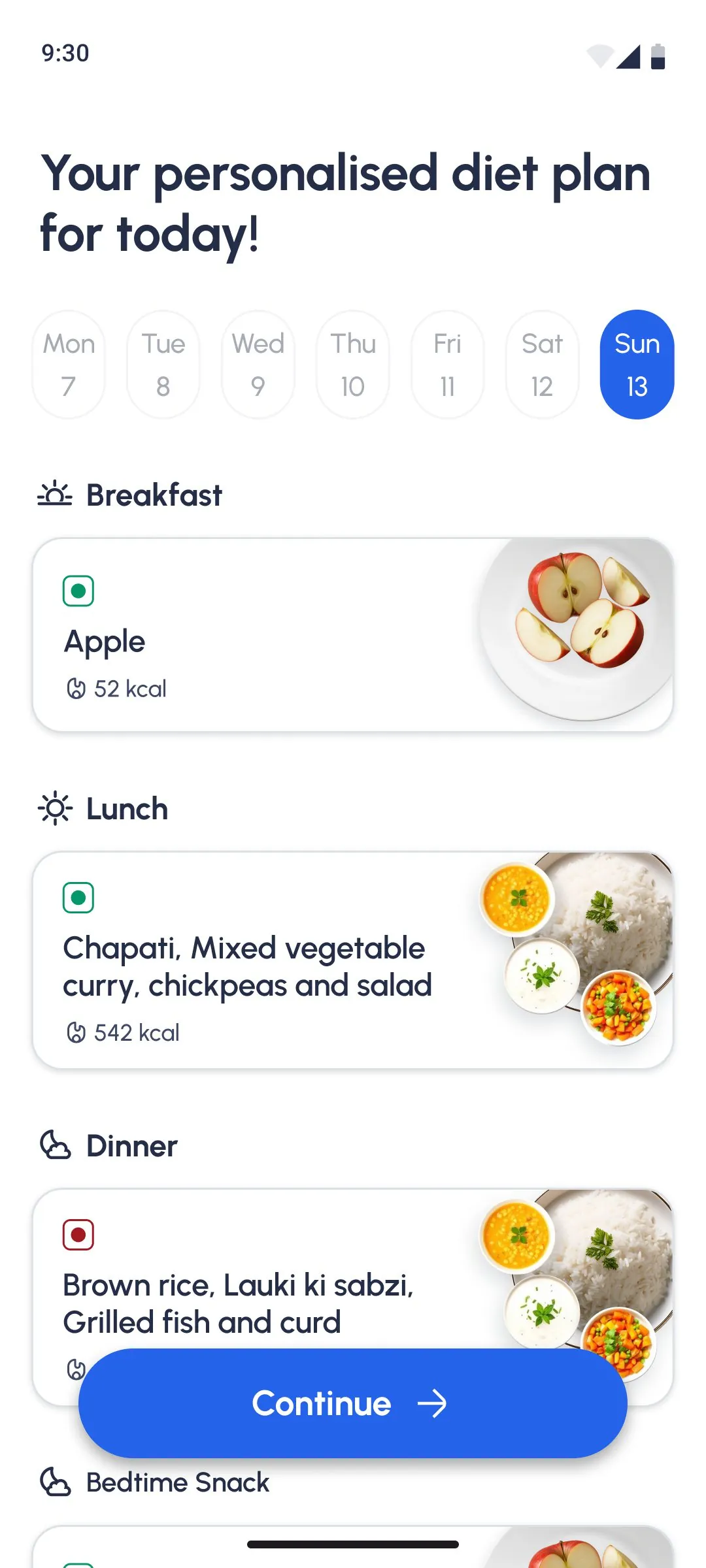
What it changedOnboarding ends in today's meal plan, and a one-tap like or dislike makes tomorrow's plan fit a little better.
Principles
The rules every screen followed
- 1
Earn each question
A question appears only when the person can see what their answer will change.
- 2
Value before data
The first session ends in today's meal plan, before anything sensitive is asked.
- 3
Their language first
The coach speaks the language the person reads, before any other choice is made.
Process
- 01
Measure it
Set up Mixpanel. The drop sat at two screens, and again in week one.
- 02
Ask who left
Tests with people who activated, dropped and stayed. Language was the biggest blocker.
- 03
Watch them
At the medicine questions people slowed and stopped. Hesitation, not confusion.
Key decisions
Decision 01of 04
A few short questions, not a form
The old intake asked for medical history before people saw anything. Now a few short parts end in today's meal plan.
BeforeA clinical intake of 10+ screens
AfterA few short parts, then today's plan
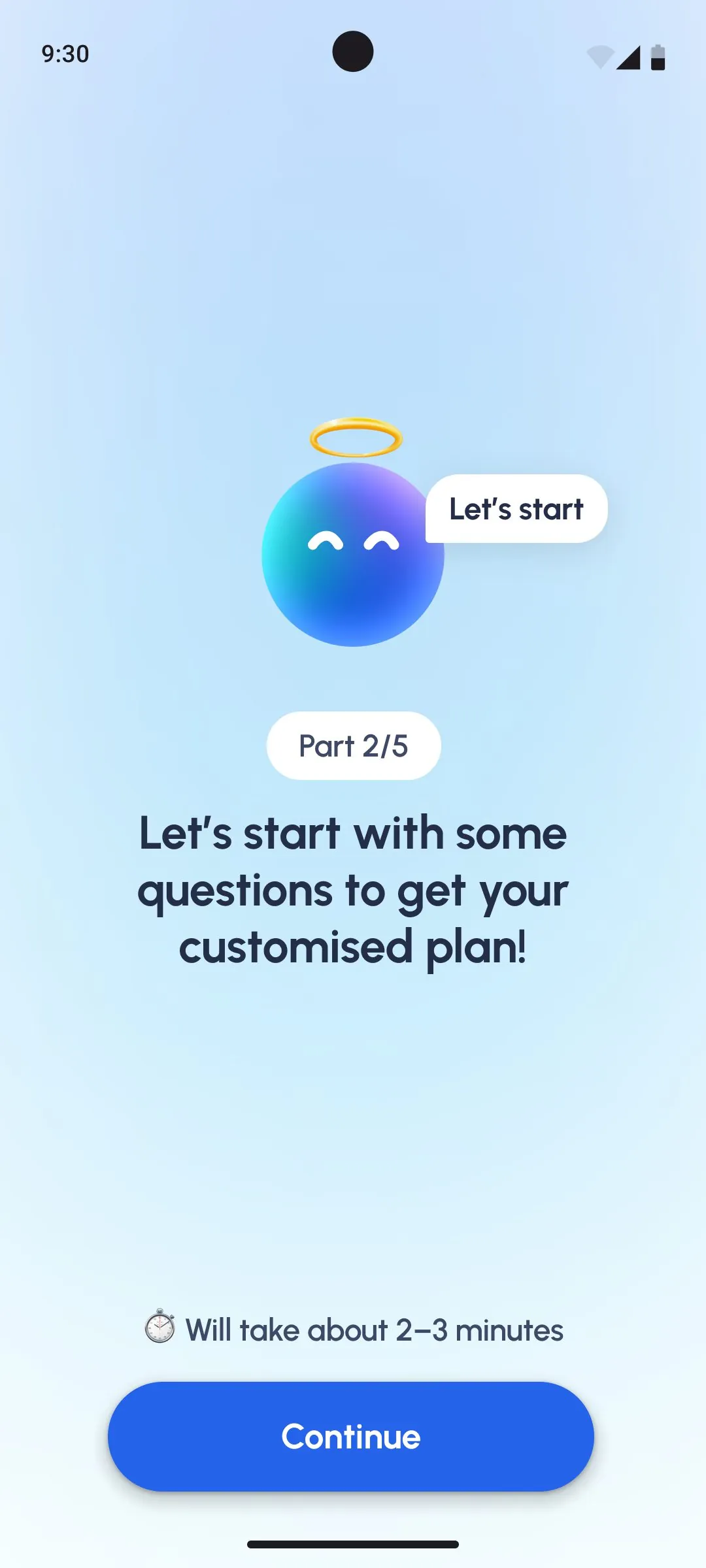 A time promise up front
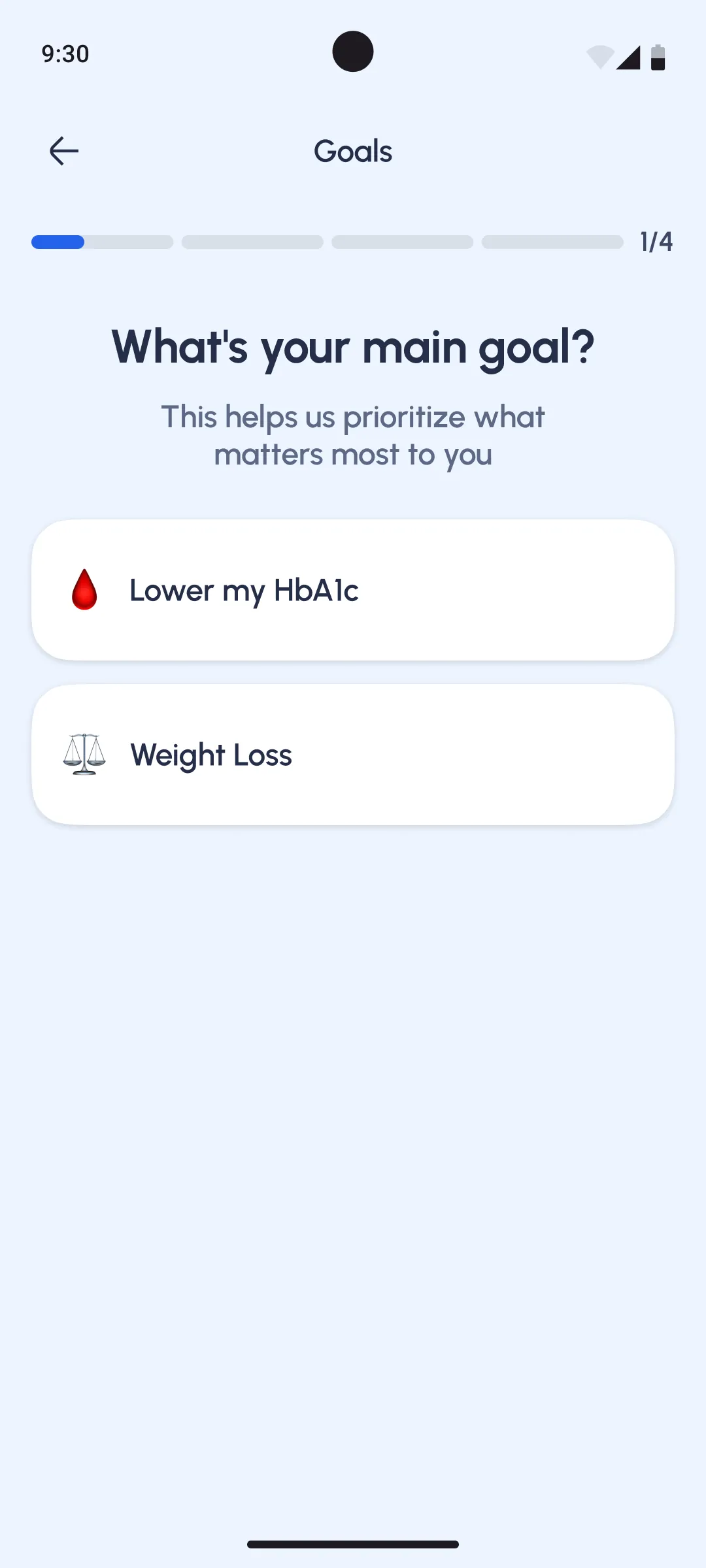
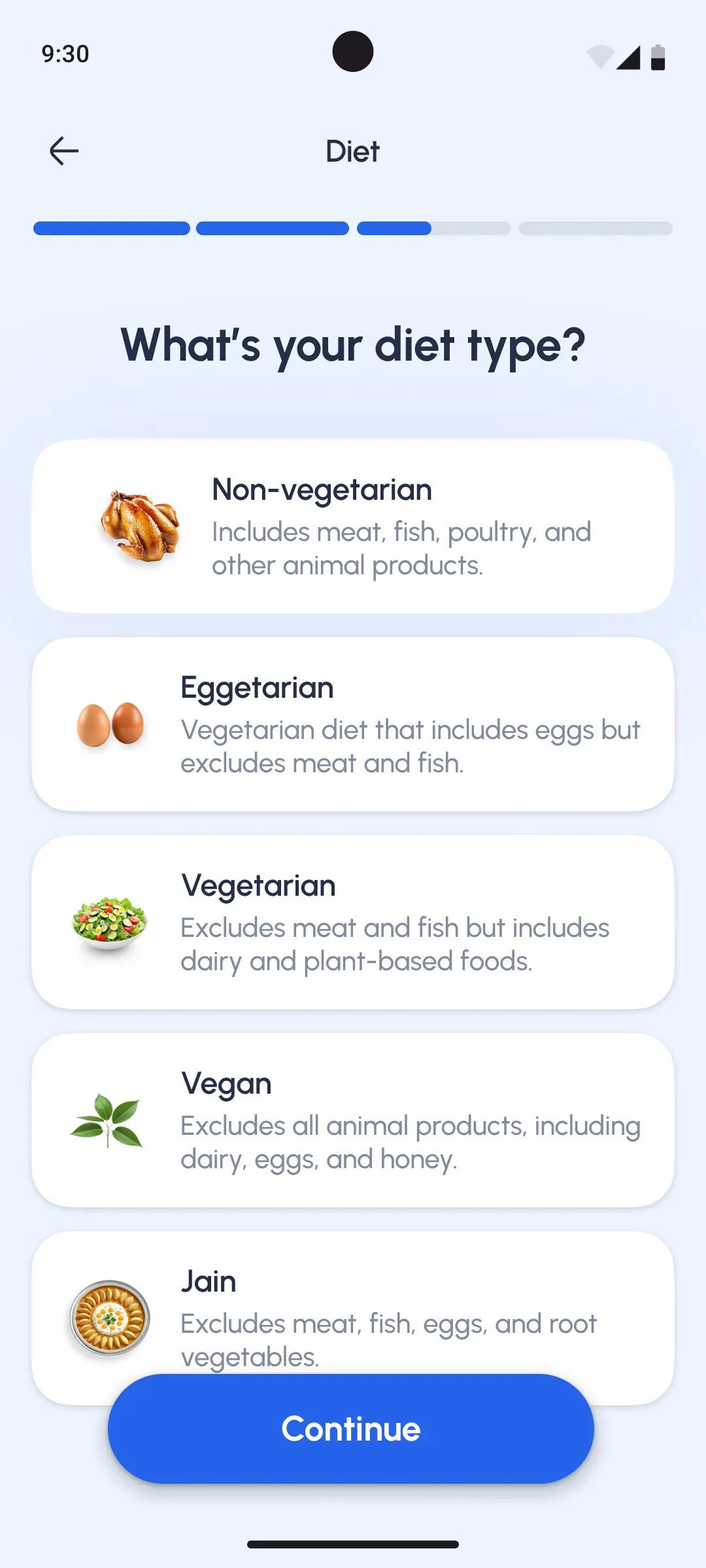 Ends in today's plan
Decision 02of 04
Language comes first
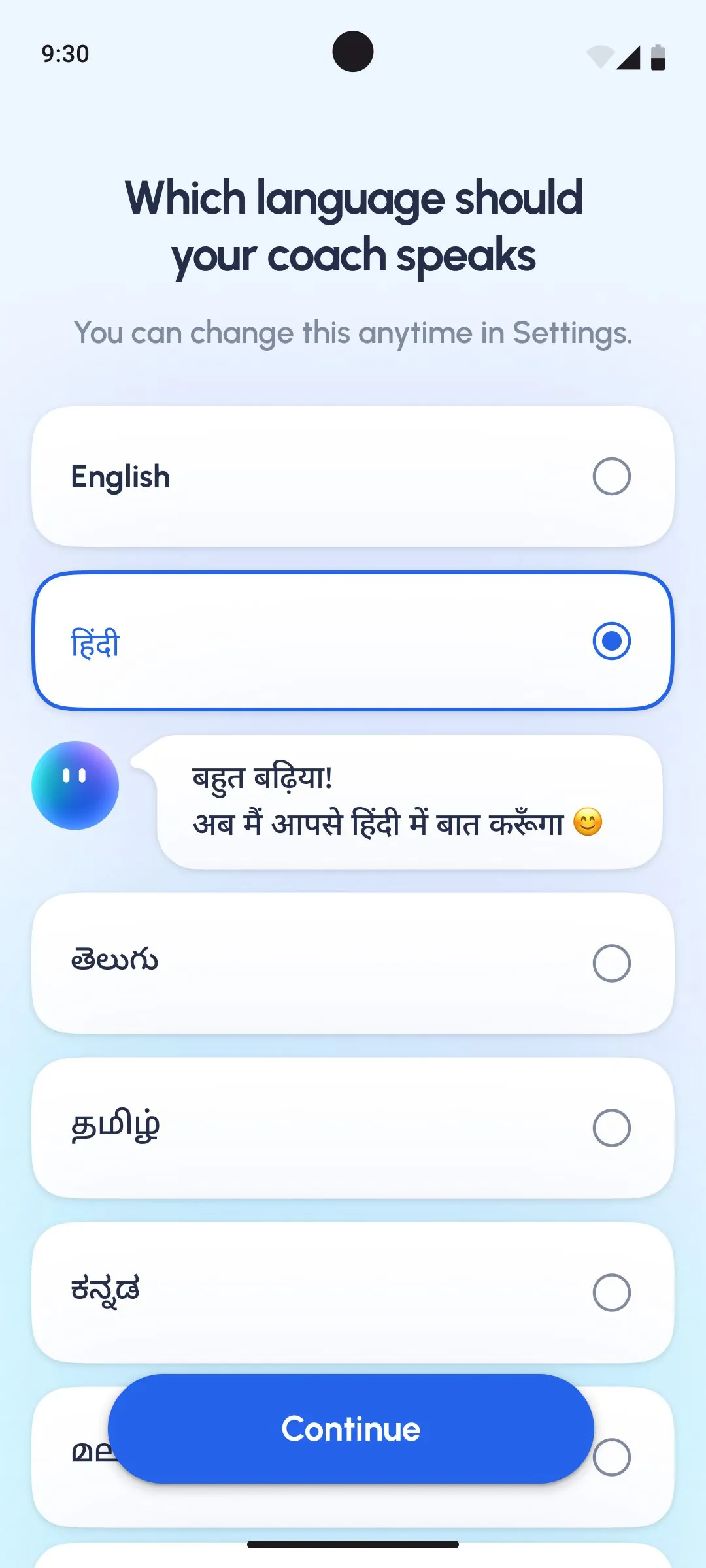
Many people installed the app for a parent. So the first question is which language the coach speaks.
First question after sign-up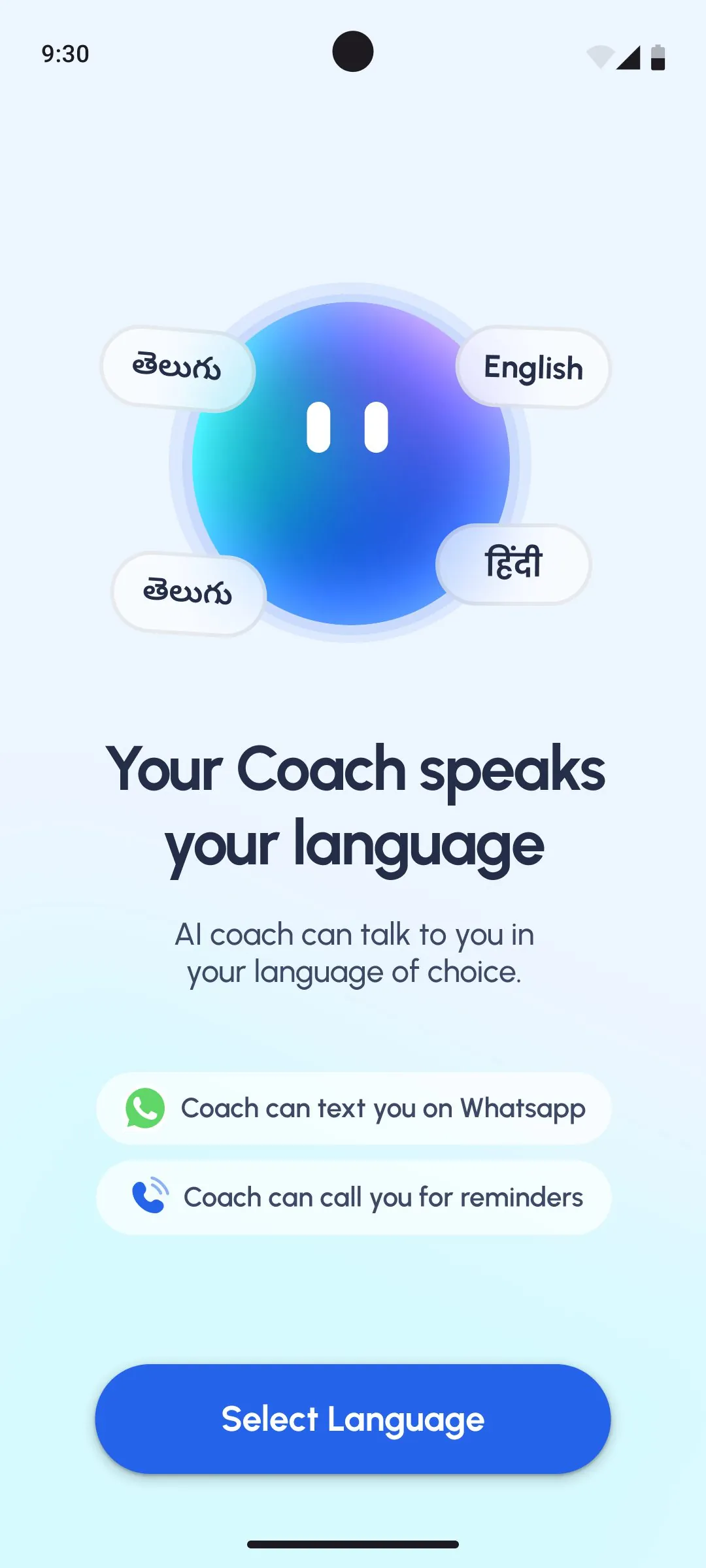 Texts on WhatsApp, calls too
Decision 03of 04
Medical history waits for trust
Each question waits for the moment its answer earns a place. The coach asks the sensitive ones in week one.
- OnboardingLanguage, main goal, birth year, dietEnough to build today's plan
- Day 2 to 3Health goals and food preferencesAsked by the coach, in chat
- Week oneMedicines, weight history, clinical detailsAsked gradually, never as a form
Decision 04of 04
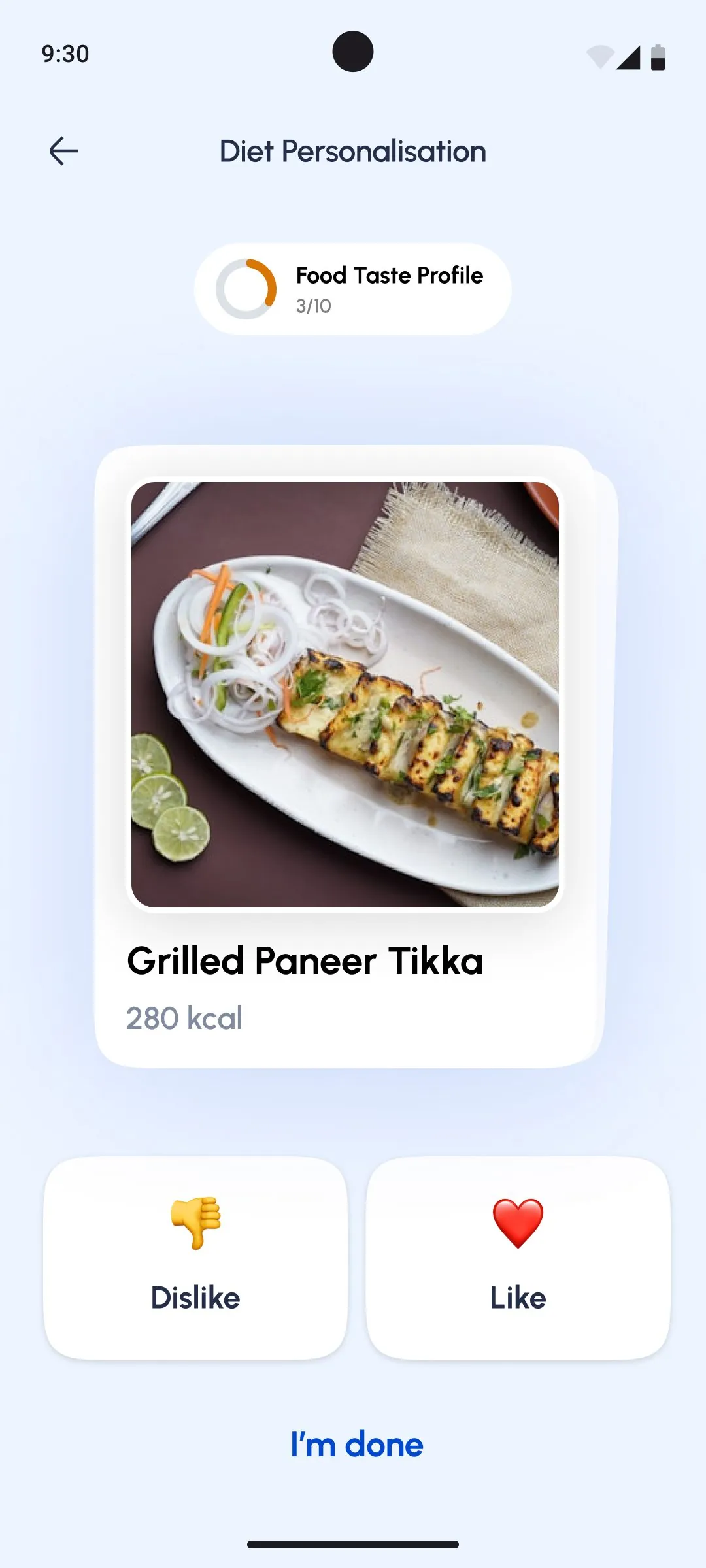
A meal loop that teaches the model
Recommendations needed a taste signal people would actually give. With data science, I made it one tap.
Like or dislike, one tapThe taste profile fills upThe journey after
End to end, as it shipped
- 1Pick the coach's language
Hindi, Tamil, Telugu, Kannada or English, first thing after sign-up, with the coach replying in that language as a preview.
- 2A few short questions
Main goal, birth year and diet type, in short parts with a progress bar and a time promise up front.
- 3Build a taste profile
Swipe meal cards from the cuisines they picked. Each like or dislike goes straight to the recommendation model.
- 4Today's meal plan
The last screen is breakfast, lunch and dinner built around their diet and sugar goals, not an empty home screen.
- 5The coach keeps in touch
Messages with today's plan on WhatsApp, and reminder calls, in the chosen language.
- 6Health goals, day 2 to 3
Once the plan is in use, the coach asks about health goals and food preferences in chat.
- 7Medical history, week one
Medicines, weight history and clinical details, asked gradually, then visible to the doctor on the same care plan.
Edge cases
Designed for the messy moments too
- Setting up for someone else
Onboarding branches on health status and goals, so a caregiver sees a different path from a person with diabetes.
- Sensitive history still missing
Nothing blocks on medicines or weight. The coach asks for them gradually in week one, and the plan updates when they arrive.
- Asking for personal data
The coach says why it needs an answer before asking, for example birth year to adjust the plan by age.
- Leaving partway through
The diet section saves as people go, so stopping midway does not lose their answers.
- Personalisation still growing
Features unlock as people answer contextual questions, with a personalisation score showing how tailored the app is so far.
- A meal that does not fit
One tap on dislike teaches the model. Dislikes are also how wrong recommendations are counted, the measure behind the 11% drop.
Trade-offs
What we said no to
Not this
Gamified onboarding, a story-led intro and doctor video intros
Instead
Each was tested and dropped.
Not this
A complete medical intake up front, which clinical wanted for safety
Instead
We agreed the coach would ask it in chat instead.
Outcome
Mixpanel became the company standard for product and growth analytics.
Product and growth read the same funnels from then on.
- 42%Activation, up from 30%
- +9 pts30-day care plan adherence
- 11%Fewer wrong meal recommendations
- MixpanelBecame the company analytics standard for product and growth
- WeeklyResearch loops with each cohort became standing practice
What outlived the project
The “ask only when it earns its place” pattern is how the coach still asks health questions.
What I don't claim. Language support and the shorter onboarding rolled out together in phases, so I don't split the 12 points between them.
Reflection
Looking back
What I learned
- Hesitation is a trust signal, not a usability bug. When people slow down at a clear question, the fix is timing, not layout.
- The hard requirement rarely has to go. Clinical still gets every answer it needs; it is asked at the moment the person can see why.
- Engagement layered on a broken flow does not move activation. Gamification and a story intro left it flat because they delayed the product.
What I would do next
- Test during the build, not after. People did not understand the personalisation score, and we found out late; one mid-sprint prototype round would have caught it.
- I handed over targets for the next phase: onboarding completion, first health log rate, activation, and day 1 and day 7 retention.
 One system for two apps, and vetting that runs itself